Posted July 19, 2015 by Ali's Woodinville
As commuters, we deal with potential hazards on the road every day. When you drive, you’re trying to get from one point to another safely. Safety is especially important when you consider our littlest passengers. Injuries from motor vehicle crashes are a leading cause of death for kids and babies, and the right precautions can reduce how badly a child is hurt.
We can’t prevent every accident, but we can take every precaution to keep ourselves, and our child passengers, safe in the car. Below are tips that will help keep the little ones safe in an emergency.
1. Keep Babies and Toddlers in a Rear-Facing Car Seat
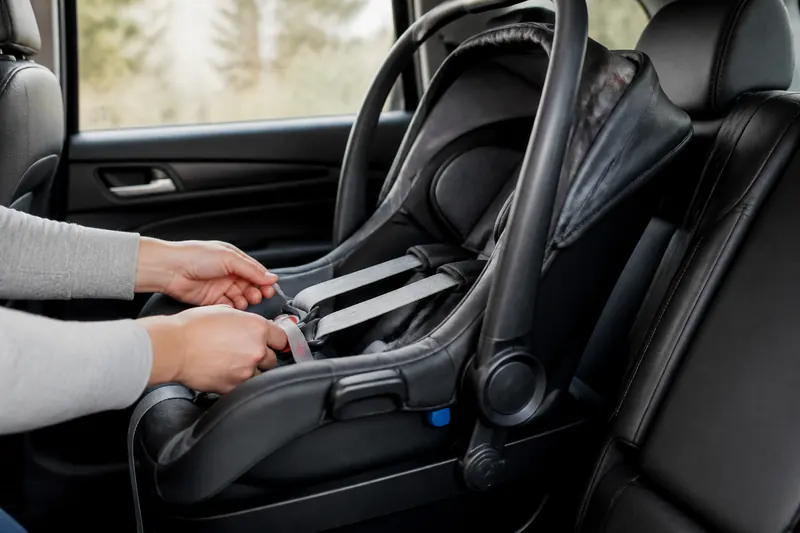
Infants should always ride in a rear-facing car seat. Washington law requires children to ride rear-facing until at least age 2, and many seats allow them to stay rear-facing even longer. Check your car seat’s specifications and keep your child rear-facing until they reach the seat’s height or weight limit.
2. Make Sure the Car Seat Is Installed Correctly
If you have questions about installing your car seat, read the car seat manual and your vehicle’s owner’s manual, or ask a car seat expert. A certified child passenger safety technician can check your installation and show you how to get it right.
3. Use the Right Size Car Seat or Booster Seat
After the rear-facing stage, children ride in a car seat with a harness until at least age 4. From there, they should ride in a car seat or booster seat until they’re 4 feet 9 inches (57 inches) tall, which is about when an adult seat belt starts to fit properly.
4. Make Sure the Seat Belt Is Securely Buckled
Seat belts save the lives of children and adults alike. They’re there to keep the rider secure. If it isn’t buckled, they aren’t secure.
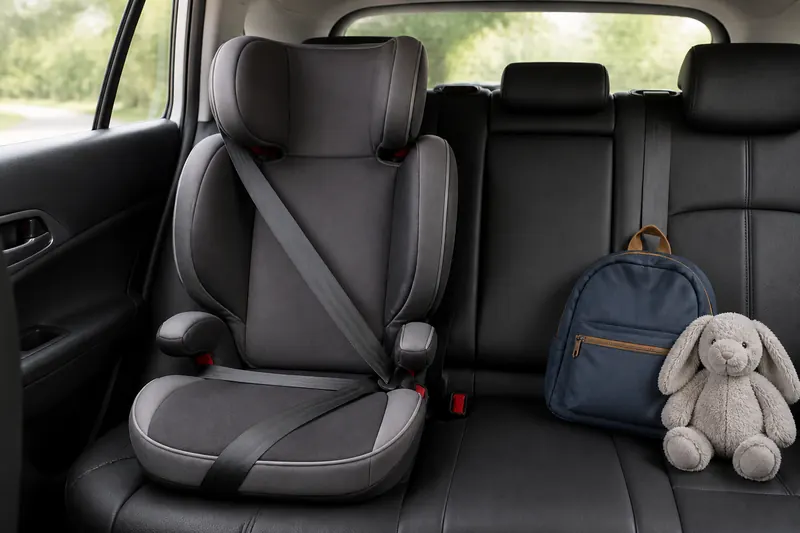
5. Check the Position of the Seat Belt Before Every Ride
Make sure the seat belt is snug. It may not be the most comfortable for your child, but in a crash, a properly placed seat belt keeps them in place. The lap belt should sit low across the upper thighs, not the stomach, and the shoulder belt should cross the chest and collarbone, not the neck.
6. Children Always Ride in the Back Seat
Kids should not sit in the front seat until they are at least 13 years old, and Washington law calls for children under 13 to ride in the back seat whenever it’s practical. A child in the front seat may be thrown into the windshield or onto the dashboard during a crash, and can also be hurt by the force of the airbag inflating.
7. Check the Expiration Date on Car Seats and Booster Seats
Every seat has an expiration date because the materials wear over time. If the seat is expired, don’t use it. And don’t use a seat after it has been in a crash.
Protect Your Most Precious Cargo
Children can be our most precious cargo. It’s important to protect them, because they’re not old enough to understand the risks. We’re Ali’s Woodinville Auto Repair, a local, family-owned and operated business. If you have any questions about car safety, give us a call. You may also want to read up on Washington’s child passenger safety law, which sets the rules for car seats, booster seats and back-seat riding in our state.
A safe ride also depends on a safe car. Brakes that stop straight, wipers that clear the glass and lights that work all matter more with kids on board. Our free brake check is a quick way to know where your brakes stand, and we can look over the rest during regular maintenance.
Call 425-420-1630 or request an appointment for a free brake check.